If you’re a landscaper, you probably know how important it is to show up on Google. Whether it’s a homeowner looking for a new patio or a business searching for snow removal, being found online is critical. But there’s a growing layer of complexity to ranking well — and it has everything to do with how much Google trusts your business.
That’s where three intimidating acronyms come in: YMYL, E-E-A-T, and SEO. Let’s break them down in plain English — and explain why they matter specifically for landscapers and hardscapers.
Why This Stuff Matters for Local Outdoor Pros
Landscaping isn’t just about making things look good. You’re working with machinery, budgets, safety, property value — things that truly impact people’s lives. Google takes that seriously.
So when a customer searches for something like “landscaper near me” or “paver patio contractor [city name],” Google’s algorithm is doing more than just matching keywords. It’s trying to figure out who’s actually trustworthy.
That’s where these terms come in.

What Do YMYL and E-E-A-T Even Mean?
Let’s demystify these acronyms:
YMYL = Your Money or Your Life
Google puts certain types of websites under extra scrutiny — especially if they can affect someone’s health, safety, finances, or well-being.
While it may sound extreme, local landscaping and hardscaping services often fall into this category. You’re not selling T-shirts — you’re changing someone’s physical environment, often with big financial decisions attached.
Example: A poorly installed retaining wall could lead to drainage issues or property damage. Google wants to make sure the company it recommends knows what they’re doing.
E-E-A-T = Experience, Expertise, Authoritativeness, Trust
This is how Google measures if your website is worth ranking. It wants to show businesses that look credible and demonstrate real-world knowledge.
Here’s what it looks like in your world:
-
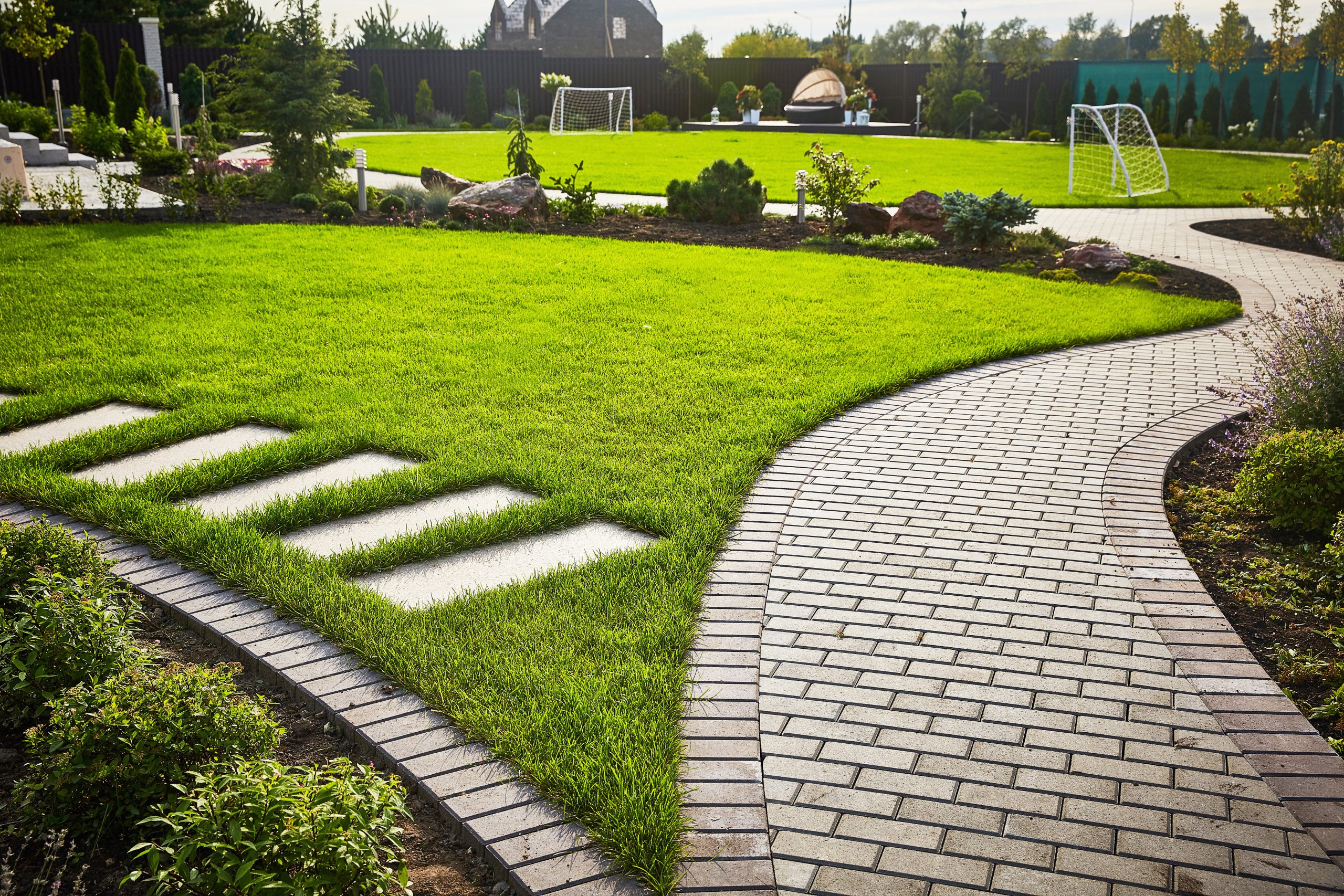
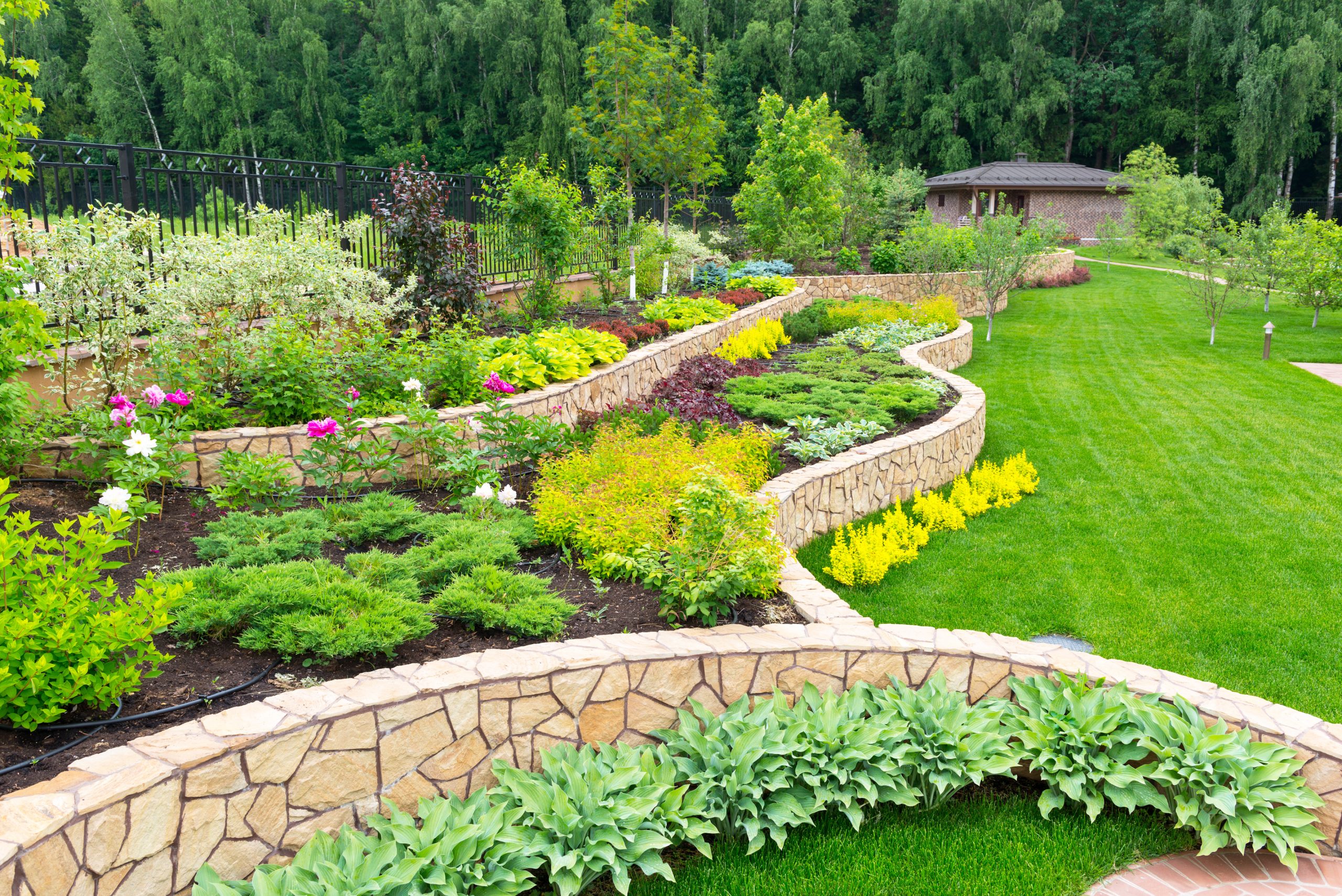
Experience: Show photos and case studies of completed jobs. Let your work speak.
-
Expertise: Mention your certifications, years in business, or specialized services like stonework, drainage, or irrigation.
-
Authoritativeness: Are you mentioned on other local websites? Do you have a solid reputation? Have you worked with builders or HOAs?
-
Trust: Do you have reviews? Clear contact info? A professional-looking website? These are signals that you’re legit.
Why This Applies to Landscapers
Let’s say someone’s searching for “flagstone patio installer.” There might be ten companies nearby. How does Google decide which one to show at the top?
It comes down to how well your website, online presence, and reputation reflect E-E-A-T. And because hardscaping projects often involve permits, safety concerns, and large budgets, you’re squarely in the YMYL category too. That means Google holds you to a higher standard.
If your site looks thin, outdated, or sketchy? You probably won’t rank — even if you do excellent work in the real world.
5 Ways Landscapers & Hardscapers Can Boost E-E-A-T
Here’s how to turn those acronyms into action:
1. Tell the Story Behind Your Projects (Experience)
Don’t just post photos — explain what the project was, the challenges you solved, and what the client wanted. Use plain language. This builds trust with humans and Google.
2. Showcase Skills & Credentials (Expertise)
Are you ICPI-certified? Been doing this for 12 years? Specialize in outdoor kitchens or native plant design? Make sure that’s on your About page and service pages.
3. Get Local Backlinks (Authority)
If you’ve been featured in a local blog, sponsored a community event, or partnered with other contractors, ask them to link to your site. These are gold for SEO.
4. Ask for Reviews (Trust)
Encourage happy clients to leave reviews on Google and other platforms. Respond to them. Show that you’re engaged and care.
5. Build a Solid Website
Your site should load fast, look modern, and have clear service areas. Include an FAQ page, a contact form, and clear examples of your work.
YMYL Isn’t Just for Doctors — It’s for Landscapers, Too
You might think YMYL applies only to lawyers or medical sites. But the truth is, any business that affects people’s property, finances, or long-term happiness is included. That means you.
If someone hires the wrong landscaper, they could be out $20,000 and left with a drainage nightmare. Google wants to avoid that.
So your site needs to show you’re the kind of pro who won’t let that happen. That’s what good SEO is about today — not tricks, but trust.
What Landscapers Shouldn’t Do
Here’s what to avoid if you want to build long-term trust and SEO strength:
-
Don’t stuff your pages with keywords like “best landscaper hardscaper mulch paver drainage [city name]!”
-
Don’t use fake reviews or buy links. Google will catch on.
-
Don’t leave your About page blank or generic. People want to know who’s behind the business.
Final Thoughts: SEO = Showing You’re the Real Deal
The world of SEO has shifted. It’s not about gaming the system — it’s about proving your worth. Landscapers and hardscapers professionals who invest in clear messaging, trust signals, and local visibility will rise to the top — and stay there.
Want to win more jobs? Start by making it obvious you’re the expert Google (and your customers) should trust.